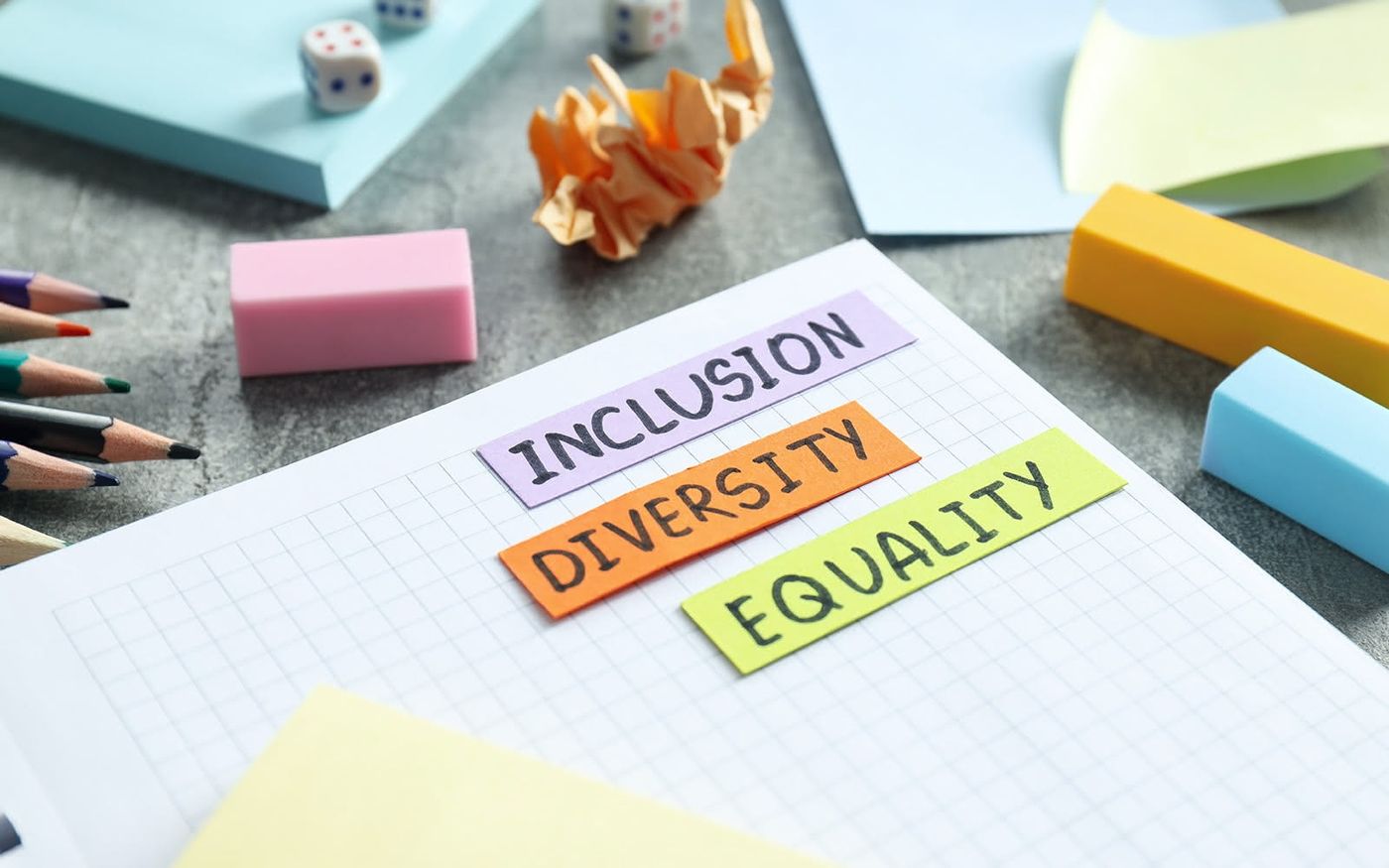

How to be accessible for employees with disabilities
The accounting profession requires a high level of analytical skills, attention to detail, and a keen eye for accuracy. However, not everyone who’s interested in pursuing a career in accounting has the same opportunities.
·3 min read
The accounting profession requires a high level of analytical and mathematical skills, attention to detail, and a keen eye for accuracy. However, not everyone who’s interested in pursuing a career in accounting has the same opportunities.
Unfortunately, many individuals with disabilities – who possess all the previously-mentioned skills – are being left out of pocket in the employment equation. Between January to March 2022, 22% of the working age population in the UK reported being disabled, with a 13.8% disability pay gap (the gap between median pay for disabled employees and non-disabled employees) in 2021. As it’s disability pride month, we’re sharing 3 tips on how firms can become more accessible for employees with disabilities.
1. Expand your recruitment reach
When recruiting new employees, look beyond your usual parameters. Reach out to candidates beyond your local commute that could work remotely. Some of those with disabilities might be able to work remotely, but with much more experience and qualifications than those in your current geographic recruitment pool. So, by expanding your reach, you can increase the likelihood of finding more qualified candidates – sounds like a win-win!
2. Equip your firm with appropriate technology and tools
When you decide to take on an employee with a disability, it’s important to assess and equip your office (whether its onsite or remote) with tools to improve accessibility. These could look like captions or audio descriptions of meetings, screen readers, access ramps, etc.
So, where do you start? First and foremost, do your own research. Understand the principles of universal design and how it can guide you when seeking out the right digital solutions for your team. Then, communicate with staff and invest in tools and software that align with accessibility standards, so your team can fully contribute meetings and daily tasks. One example could be providing captions during calls or meetings for employees with hearing impairments, or choosing colours with the right criteria to help those with visual impairments.
At Bright, we’re working hard to improve our systems as part of our development work, including aiming for WCAG level AA which means Bright’s software will be “usable and understandable for the majority of people with or without disabilities.”
3. Have appropriate training, resources and policies
Provide workplace training in accessible formats so that employees with disabilities can access them just as easily as employees without disabilities. Share staff resources on disability-related issues, and create an accessibility policy. This policy can include a statement of commitment, a list of your obligations under the relevant accessibility legislation, and compliance measures.
Infuse a culture of inclusivity
Fostering a new work culture takes time, effort, and support. However, by enhancing accessibility for employees with disabilities, you create the perfect platform for launching a more inclusive workplace culture. Being a socially responsible employer not only boosts your firm’s reputation, but also creates a much more diverse team, improving retention and employee satisfaction.
Here at Bright, we are on a mission to make a happy and efficient working life a reality for accountants through reliable software and amazing support. Let’s bridge the gap between the abilities and job opportunities of people with disabilities, and part of that work starts with the points outlined above.
Discover Bright’s product suite
This content may have been developed with the assistance of AI tools. Content is reviewed by a member of the Bright team before publication. Guidance on legislation can be obtained from your industry body.
Talk to our team
See how Bright can help your practice.